By Brian Sergi-Curfman
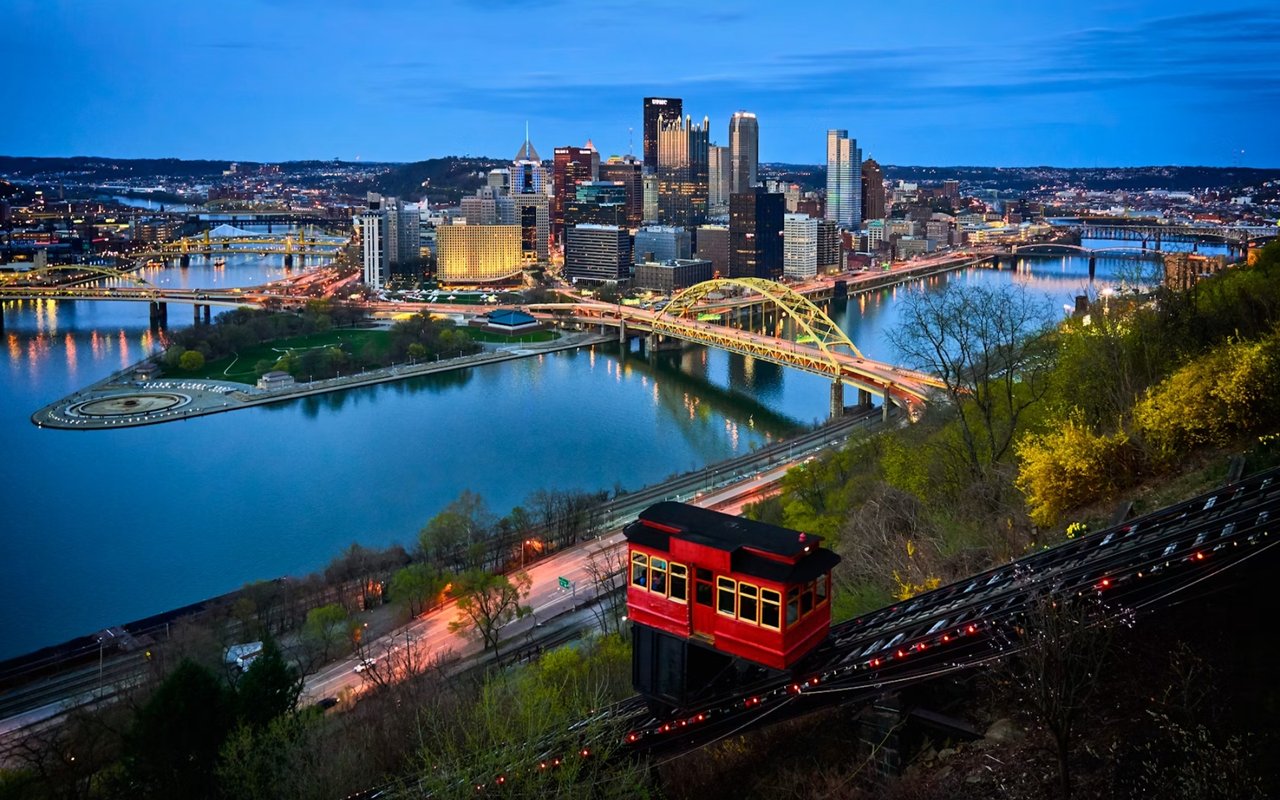
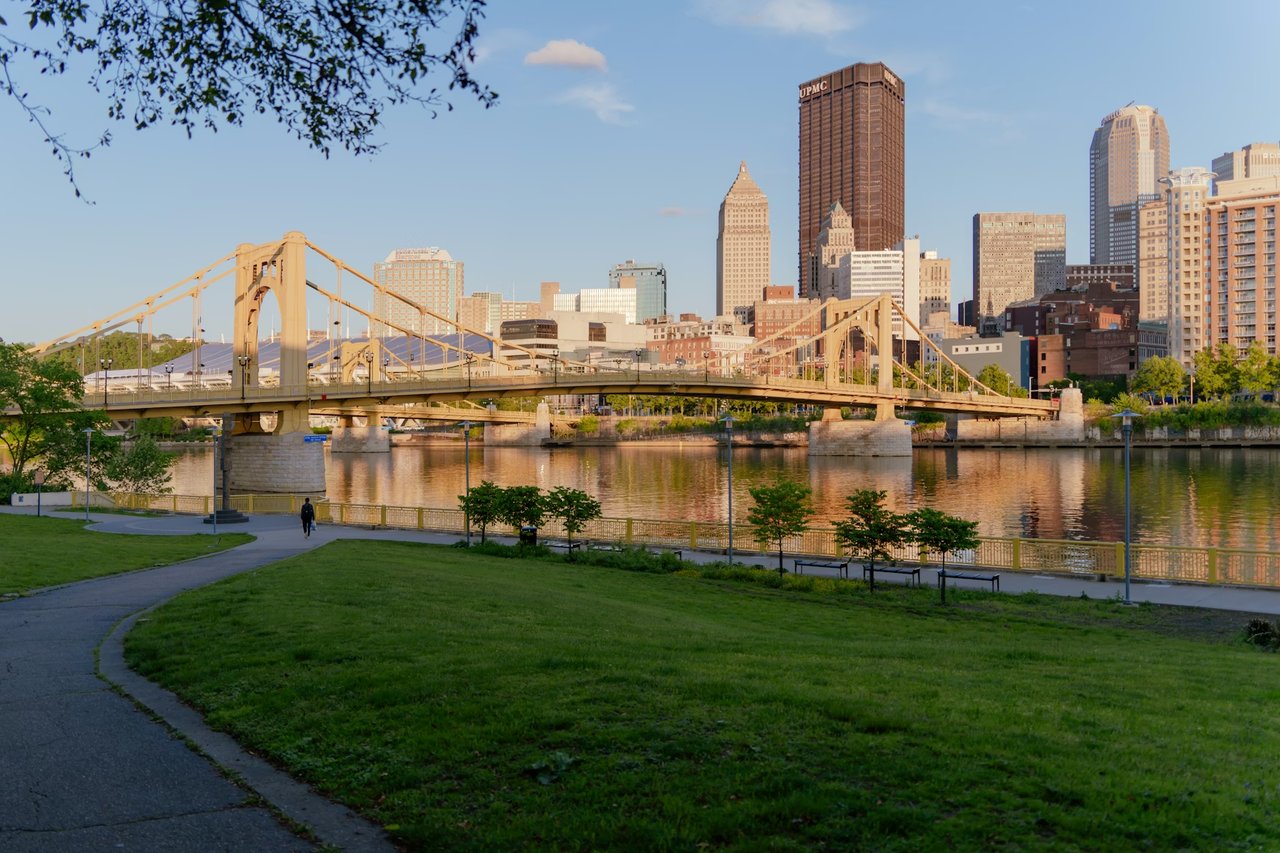
Pittsburgh has a way of surprising people who come to it with expectations borrowed from more expensive markets. The City of Bridges sits at the confluence of three rivers, carries one of the most distinctive skylines in the country, and offers a depth of neighborhood character that most cities twice its size cannot match. Ownership here also tends to surprise buyers on the affordability side, since median prices run well below national averages.
Pittsburgh's 90 officially recognized neighborhoods each function as their own micro-market, and understanding how they differ is the most valuable thing a local agent brings to any buyer starting a search here.
Key Takeaways
- Pittsburgh home prices run well below the national median, making it one of the more accessible major metro markets for buyers relocating from higher-cost cities
- The local economy is anchored by healthcare, education, and technology, with UPMC, Carnegie Mellon University, and the University of Pittsburgh providing a stable employment base that supports consistent housing demand
- The market has shifted toward more balanced conditions in 2025-2026, giving buyers more time for due diligence than was available during the competitive peak
- Neighborhood selection is the most consequential decision in a Pittsburgh search, with meaningful differences in price, school quality, walkability, and character across the city and suburbs
Understanding Pittsburgh's Neighborhood Landscape
Pittsburgh's geography, divided by rivers, hills, and distinct historical development patterns, creates a degree of neighborhood differentiation that sets it apart from most American cities.
- Squirrel Hill: Consistently cited as Pittsburgh's most livable neighborhood, with top-rated schools, strong walkability, a vibrant commercial district, and a competitive market that reflects its desirability.
- Shadyside: Historic architecture, a lively commercial strip, and one of the most energetic residential markets in the city, attracting buyers who want urban character with established neighborhood infrastructure.
- Lawrenceville: A maturing creative district with a range of property types and a market that has shifted from strongly competitive to more balanced over the past several years.
- Mt. Lebanon: The benchmark South Hills suburb with one of the top-rated public school districts in Pennsylvania, consistent long-term appreciation, and a residential character that draws families prioritizing school quality.
- Sewickley: A historic riverfront village northwest of the city with a charming walkable main street and architecturally distinctive housing stock that draws buyers seeking small-town character close to Pittsburgh.
- Fox Chapel: A luxury enclave northeast of the city with large lots, stone-clad properties, one of the top five public school districts in Pennsylvania, and a price ceiling that reflects the estate-level character of the market.
Each delivers a genuinely different version of Pittsburgh life, and the right choice depends entirely on what the buyer is optimizing for.
What the Current Market Looks Like for Buyers
The Pittsburgh market has moved from the intensely competitive conditions of 2020-2022 into a more balanced environment that gives buyers room to act thoughtfully.
- More time for due diligence: Homes are spending more time on the market compared to recent years, giving buyers more opportunity to complete inspections and review disclosure documents without immediate bidding pressure.
- Selective competition: Well-priced, well-located properties in Squirrel Hill, Regent Square, Point Breeze, and Shadyside still attract strong interest and move relatively quickly, so buyers targeting these areas should be prepared to act.
- Neighborhood-level variation: The shift toward balance is not uniform. Some areas have seen inventory expand meaningfully while others remain tight, and local knowledge of which is which is genuinely useful.
- Affordability advantage: Pittsburgh's cost of living runs below the national average, and its home prices are among the lowest of any major American metro, which is increasingly drawing buyers relocating from higher-cost markets on the coasts.
The current market is one of the more favorable for buyers in recent memory, and using the additional time and leverage strategically is where local expertise matters most.
What to Know About Pittsburgh's Housing Stock
Pittsburgh's older housing stock is one of the market's most distinctive features and rewards buyers who understand what to look for before making an offer.
- Architectural character: Much of Pittsburgh's residential housing was built in the late 19th and early 20th centuries, which means the market is rich with brick rowhouses, Craftsman bungalows, Victorian-era single-family homes, and American Foursquare designs that newer construction does not replicate.
- Deferred maintenance considerations: Older homes can carry deferred maintenance in electrical systems, plumbing, roofing, and foundation, all items that a thorough home inspection will surface and that should be factored into the offer and negotiation strategy.
- Value-add potential: Unrenovated properties in Pittsburgh often allow for meaningful improvement budgets while staying well below the cost of comparable move-in-ready inventory, creating genuine renovation opportunities.
- The Pittsburgh grade challenge: The city's hilly topography creates properties with unusual lot configurations, retaining walls, and foundation conditions that warrant careful evaluation and sometimes additional specialist review.
Pittsburgh housing rewards buyers who do their homework and know what questions to ask during an inspection.
FAQs
Is Pittsburgh a good place to buy a home right now?
Yes, for buyers who approach it with a clear understanding of the neighborhood landscape and realistic expectations about the housing stock. The market is more balanced than it has been in several years, prices remain well below national averages, and the local economy provides stable long-term employment.
What are the strongest neighborhoods for long-term value in Pittsburgh?
Squirrel Hill, Shadyside, Mt. Lebanon, and Sewickley have the longest track records of consistent appreciation. For buyers open to renovation potential, Lawrenceville, Highland Park, and Point Breeze offer meaningful upside at more accessible entry prices. The right answer depends on whether you are prioritizing school quality, walkability, proximity to employment, or some combination.
What should first-time home buyers know about the Pittsburgh market?
Pittsburgh is a highly local market, and the gap between working with an agent who knows the city's neighborhoods at the block level and one who covers the broader Western PA region without specialization is meaningful. Get pre-approved before you start touring homes. Prioritize a thorough home inspection because the housing stock is old enough to have surprises.
Contact Brian Sergi-Curfman Today
Pittsburgh's market rewards preparation and local knowledge in equal measure, and the neighborhood decisions that matter most are ones worth getting right before the offer goes in.
Reach out to me, Brian Sergi-Curfman, to talk through what buying a home in Pittsburgh looks like for your situation and which neighborhoods deserve a closer look.