By Brian Sergi-Curfman
Pittsburgh has one of the most compelling stories in American cities, and buyers who arrive expecting the steel-town stereotype leave genuinely surprised by what they find. This is a city that has reinvented itself without losing its identity — where world-class universities and a booming tech and healthcare economy coexist with deeply rooted neighborhoods, extraordinary natural geography, and a sports culture that borders on religion. I've built my real estate career here because I believe in this city, and I love helping people discover what makes it worth choosing. Here's the full picture.
Key Takeaways
- Pittsburgh's geography — three rivers, steep hills, and distinct neighborhoods — creates a living experience unlike any other American city
- A diversified economy anchored by healthcare, technology, and education supports long-term stability and growth
- The cost of living compares exceptionally favorably to comparable coastal metros
- Neighborhood variety is extraordinary — every buyer profile finds something genuinely suited to them here
The Geography That Makes Pittsburgh Unique
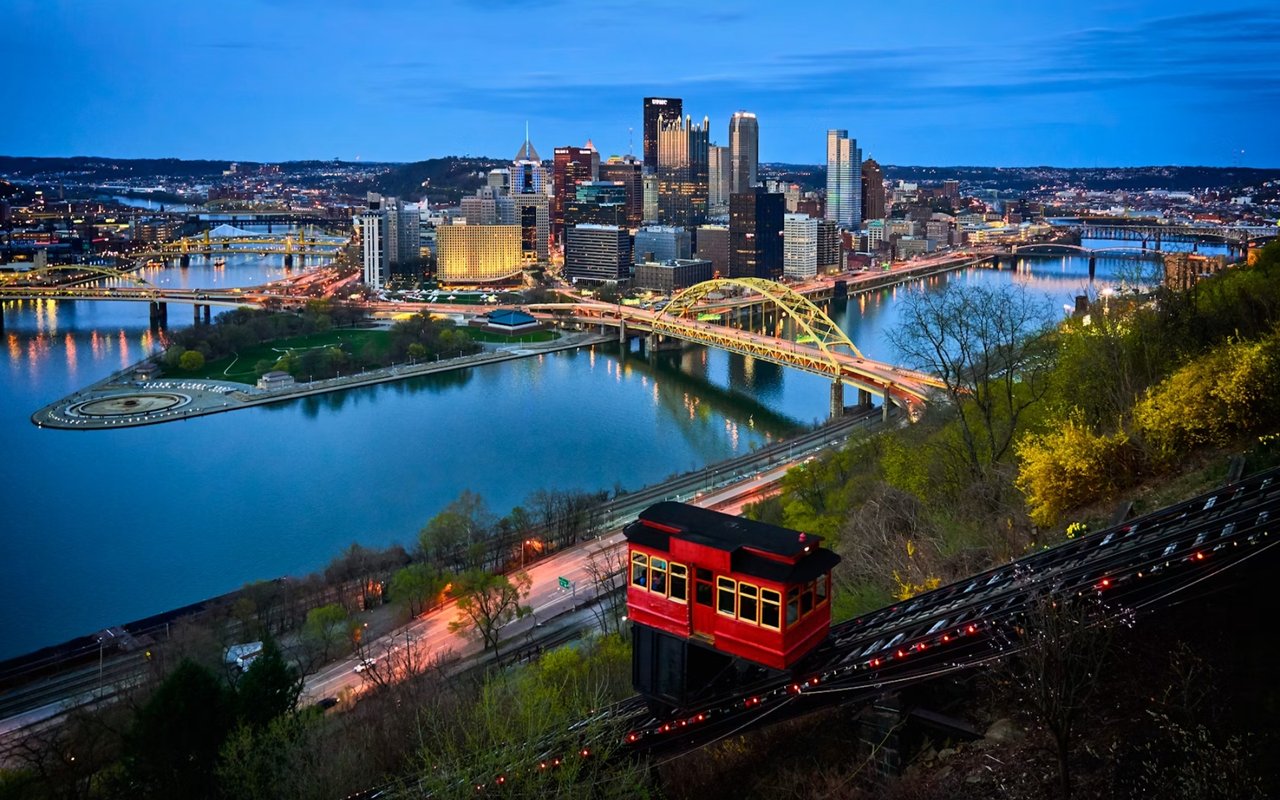
No conversation about living in Pittsburgh, Pennsylvania, starts anywhere other than the geography. The city sits at the confluence of the Allegheny, Monongahela, and Ohio Rivers, and the steep topography of the surrounding hills creates a patchwork of neighborhoods that feel genuinely distinct from each other in character, architecture, and pace. The view of downtown from the top of the Duquesne Incline — the skyline rising from the Point where the rivers meet — is one of the most dramatic urban vistas in the country.
What the Geography Delivers Day to Day
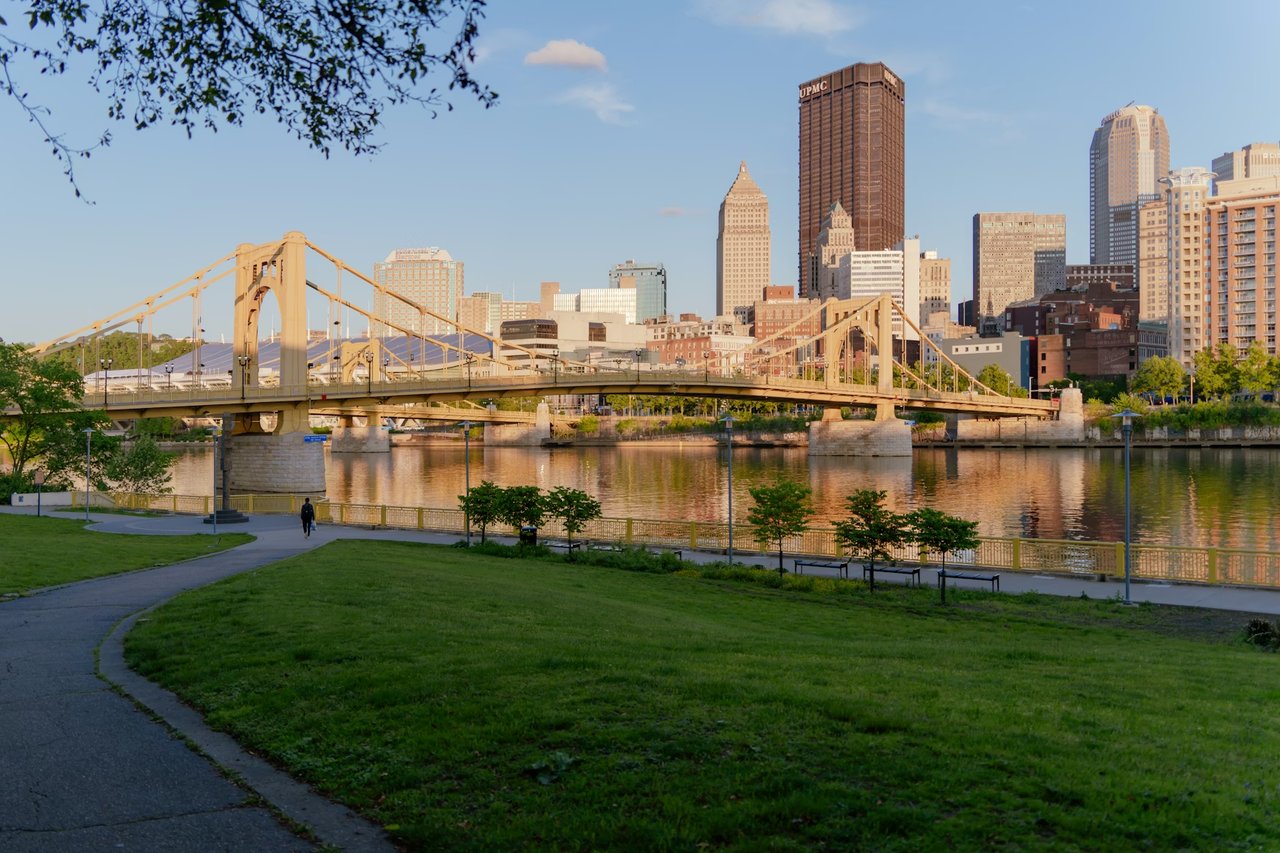
- 446 bridges — more than any other city in the world — connecting neighborhoods across the river valleys in ways that make the city surprisingly navigable once you learn its logic
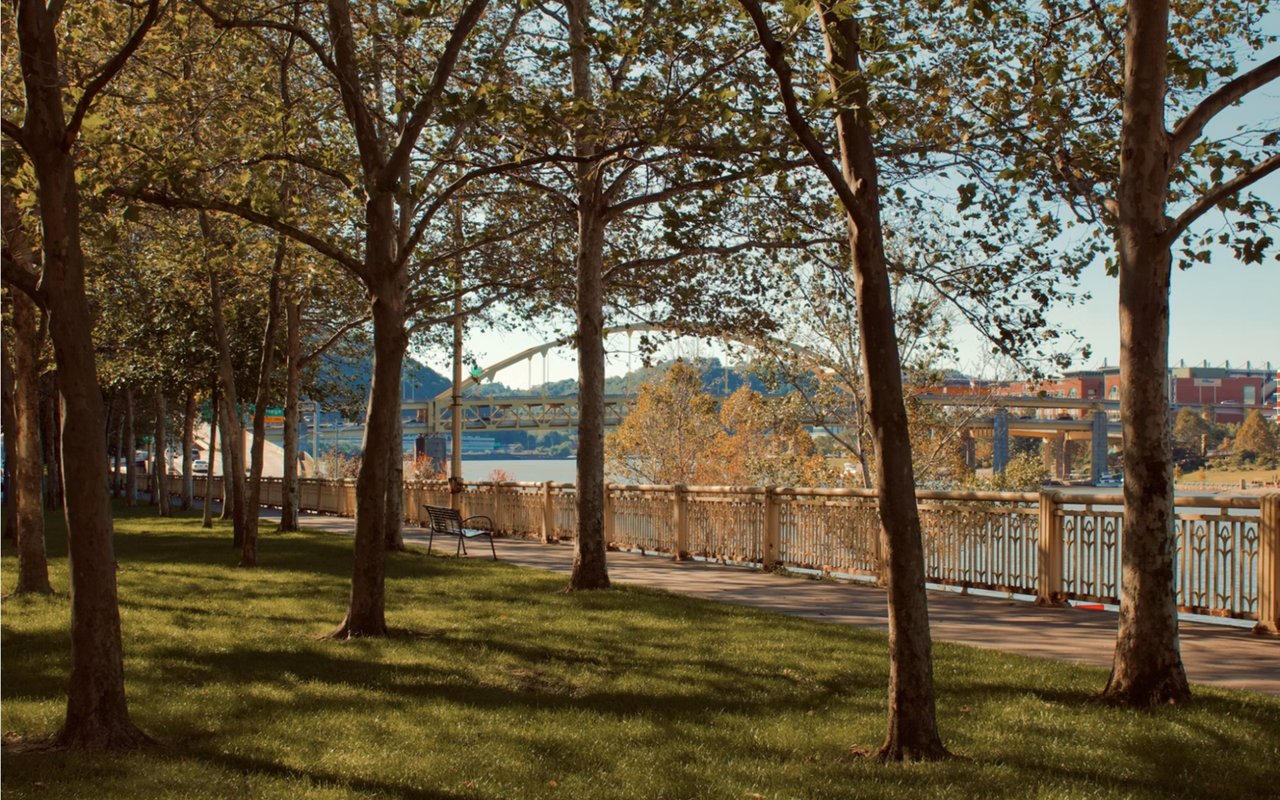
- Frick Park, Schenley Park, and North Park providing thousands of acres of trail access woven directly into residential neighborhoods
- The three rivers offering kayaking, rowing, and waterfront recreation within the city limits
- A topography that creates natural neighborhood definition and a sense of place that flat, grid-plan cities simply cannot replicate
A Neighborhood for Every Buyer Profile
Pittsburgh's neighborhood diversity is one of its most compelling features for buyers relocating from other markets. The city and its inner suburbs offer everything from dense, walkable urban neighborhoods to quiet residential enclaves to historic districts with architecture that reflects the city's prosperity across different eras. Finding the right neighborhood is one of the most rewarding parts of a Pittsburgh home search.
A Cross-Section of Pittsburgh's Residential Character
- Shadyside and Squirrel Hill — established East End neighborhoods with walkable retail corridors, architectural character, and consistent demand from buyers who prioritize urban amenity
- Lawrenceville — Pittsburgh's most transformed neighborhood, now home to a thriving arts and dining scene that draws buyers who want energy and access to the city's creative culture
- Mount Lebanon and Upper St. Clair — established South Hills suburbs with strong schools, mature neighborhoods, and a community character that draws families relocating from comparable markets
- Sewickley — a village-character community along the Ohio River north of the city, offering a distinctive blend of architectural beauty and genuine small-town warmth
The Economy That Supports It All
Pittsburgh's economic reinvention from a steel-dependent industrial city to a diversified knowledge economy is one of the great American urban success stories, and it shapes the real estate market in ways that benefit buyers who are thinking about long-term value alongside lifestyle.
The Economic Pillars Driving Pittsburgh Forward
- UPMC and Highmark anchoring one of the largest healthcare employment bases in the Northeast corridor
- Carnegie Mellon University and the University of Pittsburgh driving research, technology commercialization, and a steady flow of talent that supports the broader innovation economy
- A growing technology sector with significant investment from Google, Amazon, and Uber's autonomous vehicle research presence
- A cost of living that allows professionals earning competitive salaries to live at a quality of life that comparable earnings in Boston, New York, or San Francisco simply cannot provide
The Culture and Quality of Life
Pittsburgh's cultural institutions are consistently underestimated by people who haven't spent time here, and discovering them is one of the most common sources of pleasant surprise among buyers who've made the move. The combination of world-class museums, a serious restaurant scene, and a sports culture that genuinely unites the city creates a quality of daily life that punches well above what Pittsburgh's size and national profile would suggest.
What Cultural Life Looks Like Here
- The Carnegie Museums complex in Oakland housing one of the finest natural history and art museum collections in the country
- A restaurant scene in Lawrenceville, East Liberty, and the Strip District that draws national critical attention and rewards regular exploration
- The Pittsburgh Symphony, Pittsburgh Ballet Theatre, and a performing arts calendar that serves a genuinely engaged local audience
- Steelers, Pirates, and Penguins fandom that transcends demographic lines and creates a shared civic identity unlike anything I've experienced in other markets
Frequently Asked Questions
How does Pittsburgh's cost of living compare to other major metros?
It's one of Pittsburgh's most compelling advantages. Median home prices, rental costs, and everyday expenses run significantly below comparable cities like Philadelphia, Boston, and Chicago, while the quality of life, cultural amenity, and employment opportunities are genuinely competitive with those markets. Buyers relocating from coastal cities consistently find that their purchasing power here feels transformative.
What should buyers know about Pittsburgh's weather before relocating?
Pittsburgh has four distinct seasons, and the winters are real — cold, grey, and occasionally snowy in ways that require adjustment for buyers from milder climates. The upside is that spring and fall here are extraordinary, and the city's green spaces and outdoor infrastructure come alive in ways that make the seasonal patience worthwhile. Most transplants I work with adapt quickly and come to appreciate the rhythm of a genuine four-season city.
Is Pittsburgh a good long-term real estate investment?
I believe it's one of the most undervalued real estate markets in the country relative to its fundamentals. The combination of a growing knowledge economy, consistent in-migration of educated talent, constrained housing supply in desirable neighborhoods, and strong institutional anchors creates a foundation for sustained appreciation. Buyers who look past the outdated industrial narrative and evaluate Pittsburgh on its current merits consistently find a market that rewards them.
Reach Out to Brian Sergi-Curfman
Pittsburgh is a city that earns deep loyalty from the people who choose it, and helping buyers find their place in it is work I genuinely love. Whether you're relocating from across the country or exploring the city for the first time, I bring the local knowledge and honest guidance to make your move as smooth and successful as possible.
When you're ready to learn more, reach out to me at Brian Sergi-Curfman. I'd love to show you the Pittsburgh I know.
When you're ready to learn more, reach out to me at Brian Sergi-Curfman. I'd love to show you the Pittsburgh I know.